


Phu Quoc Ridgeback Kennel Club
The Phu Quoc Ridgeback: A Comprehensive Monograph
Introduction

The Comprehensive Guide to the Phu Quoc Ridgeback Dog
The canine world is filled with fascinating breeds, each with a unique story and purpose. Among the rarest and most captivating is the Phu Quoc Ridgeback, a primitive breed from the idyllic island of Phu Quoc, Vietnam. Known for its distinctive dorsal ridge, sleek athletic build, and personality that combines fierce independence with deep loyalty, this dog is a challenging but rewarding companion for the right individual or family.
This guide draws upon extensive research and the expertise of the Phu Quoc Ridgeback Kennel Club (PQRKC), providing a detailed look at the breed—from its origins and physical traits to its temperament, exercise needs, health considerations, and strategies for successful ownership.
Part 1: History and Origin – The Island Dog of Vietnam
Phu Quoc Ridgebacks hail from Phu Quoc Island, Vietnam’s largest island, located in the Gulf of Thailand. Its isolated geography helped shape the breed over centuries.
A Landrace Breed
The Phu Quoc Ridgeback is a landrace breed. A landrace is a domesticated, locally adapted variety that has evolved naturally through environmental pressures and human selection, rather than through strict breeding standards. This means the breed developed its traits to survive, work, and thrive on the island, resulting in a robust, intelligent, and highly functional dog.
Historical Significance
Hunting Partners: They were used to hunt a wide variety of prey, including small rodents, snakes, deer, boar, and even buffalo.
Guardians: Phu Quoc Ridgebacks protected homes and livestock with vigilance.
Vermin Control: Their high prey drive kept rodent populations in check.
The breed nearly went extinct in the 20th century due to the Vietnam War, but preservation efforts on the island and internationally have revived their numbers. Today, they are celebrated as one of Vietnam’s Four Great National Dogs alongside the Bac Ha, H'Mong Bobtail, and Lai Dog.

Part 2: Physical Characteristics – The Anatomy of an Athlete
The Phu Quoc Ridgeback is built for speed, endurance, and agility.
General Proportions
Height: Males 20–22 inches (50–55 cm); Females 19–21 inches (48–53 cm)
Weight: 30–45 pounds (14–20 kg)
Body: Square to slightly rectangular, athletic and balanced
Distinctive Features
Ridge: Distinct dorsal ridge with a vareity of recognized patterns.
Coat: Short, dense, close to the body, usually in shades of fawn (light golden hue to a deep rich red), black, black and tan, or brindle.
Tail: Tapering, often carried in a sickle or curl over the back; also used for balance when navigating narrow ridges and terrain.
Ears: Upright, triangular, sea-shell shaped.
Feet: Webbed toes for swimming and rough terrain.
The Eight Most Recognized Ridge Patterns
Ridge Name | Description |
Saddle | Wide in the middle, resembling a saddle |
Guitar | Narrow at one end, wider at the other |
Arrow | Tapers to a point toward the tail |
Needle | Very narrow and straight |
Sword | Long and tapering, like a blade |
Lute | Broad near the shoulders, narrowing toward the tail |


Part 3: Temperament and Personality – The Independent Companion
The Phu Quoc Ridgeback blends primitive instincts with family devotion:
Loyal: Forms deep bonds with chosen family members.
Protective: Naturally alert and watchful, excellent watchdogs.
Independent Thinkers: Intelligent but not overly biddable; they consider the “why” before complying.
Reserved with Strangers: Wary but not aggressive; early socialization is essential.
Playful: Maintain a puppy-like curiosity and energy into adulthood.
This combination makes them rewarding but challenging—ideal for owners who understand their instincts and respect their intelligence.

Part 4: Exercise and Stimulation – Meeting the Needs of an Athlete
Physical Needs
Daily Exercise: Minimum 60–90 minutes of vigorous activity (running, hiking, lure coursing, swimming).
Off-Leash Play: Achievable if dog has good recall; prey drive makes off-leash activity in open areas challenging but possible with dedicated training.
Variety: Rotate activities to stimulate both mind and body.
Mental Needs
Problem-Solving Games: Puzzle feeders, scent work, hide-and-seek.
Training Sessions: Short (5–10 minutes), engaging, and positive.
Environmental Enrichment: New smells, sounds, and terrain keep them engaged and balanced.
Key Insight
They are primitive athletes: physical activity is not optional—it is essential for their well-being.


Part 5: Apartment Living – A Conditional Yes
Phu Quoc Ridgebacks can live in apartments, if their needs are met:
Challenges: Limited space, urban noise, and high exercise demands.
Solutions:
Morning and evening walks, plus indoor mental enrichment, white noise (TV, radio)
Training games, puzzle toys, and controlled play
Calm leadership and strict routines
Conclusion: Possible, but requires exceptional commitment. Apartments are for rest; their lives are active outside.

Part 6: Grooming – Low Maintenance
Brushing: Weekly with a rubber mitt or soft brush
Bathing: Only when dirty or every 6–8 weeks
Nails: Trim every 2–3 weeks
Ears and Teeth: Regular cleaning to prevent infections
Part 7: Health and Lifespan – Generally Robust
Lifespan: 12–15 years
Potential Issues: Dermoid sinus, hip dysplasia, patellar luxation, bloat, skin allergies
Preventive care, proper nutrition, and reputable breeding minimize risks
Part 8: Family Compatibility
With Children: Gentle with respectful, older kids; supervision is essential with toddlers
Protective Instincts: May position themselves between children and perceived threats
Guidance: Teach children to respect the dog’s space and body language


Part 9: Multi-Pet Households
Multi-Dog Homes: Prefer opposite-sex pairings; clear rules reduce conflict
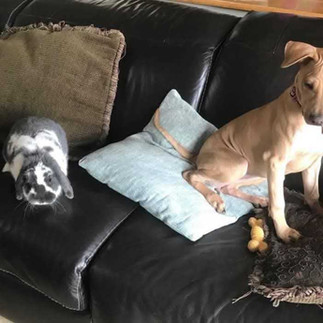
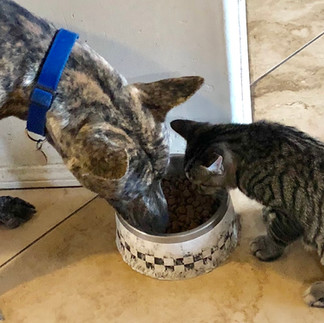
Cats & Small Pets: Possible with early, structured introductions; never unsupervised
Conclusion: Can succeed in multi-pet homes with training, structure, and consistency




Part 10: Acquisition and Costs
Age for Export from Vietnam: Minimum 6 months old
Dog Price (Vietnam): Varies by breeder
Export Costs from Vietnam to US: ~$1,000 USD (documents), Cargo: $2,500 USD
US Import Fee: ~$2,000 USD (does not include airfare or cargo)
Entry Requirements: CDC-approved airport due to high-risk rabies status; CDC guidelines must be followed; fees paid as above
Cost of Dog (US): $2,500-$4,500 depending on experience and reputation of breeder and pedigree of dog

Part 11: Training and Socialization
Positive Reinforcement: High-value treats, praise, and play
Short, Engaging Sessions: Avoid repetition and frustration
Consistency: All household members must enforce rules
Socialization: Ongoing exposure to people, animals, and environments prevents fear or aggression

Final Thoughts
For the right individual or family, the Phu Quoc Ridgeback offers a profoundly rewarding partnership that transcends typical pet ownership. They are more than a dog—they are a living connection to Vietnam's cultural heritage, a testament to natural selection's power, and a companion capable of adventure, devotion, and endless fascination. The commitment to understanding and meeting their needs is substantial, but the回报 is a relationship unlike any other in the canine world.
Those who choose to welcome a Phu Quoc Ridgeback into their lives undertake not just pet ownership but stewardship of a rare genetic treasure. Through responsible ownership, preservation of breed characteristics, and dedication to their well-being, owners become part of ensuring this remarkable breed continues to thrive for generations to come.
Resources:
https://www.facebook.com/groups/Vietnamesephuquocridgebacks
